
SyncVR MEXR (Internship) Nurse Training Simulation: Revolutionizing Medical Education with Immersive VR
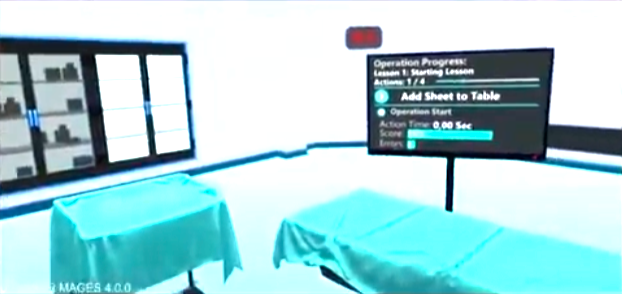
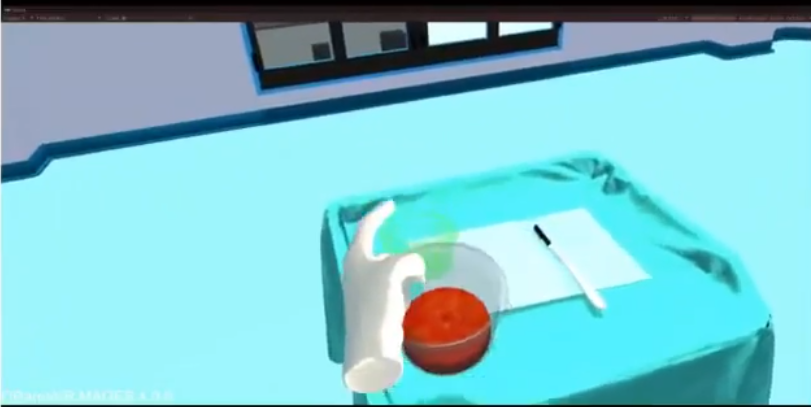


Enhancing Nursing Skills Through Immersive VR
This project involved developing a Virtual Reality simulation application designed to train nursing students for their Entrustable Professional Activities (EPAs). The primary goal was to provide an accessible, cost-effective, and collaborative VR learning environment that allows nurses to practice real-world tasks, such as setting up an operating room, in a safe and interactive setting. The project was primarily a solo effort, requiring extensive research into VR platforms and multiplayer functionalities to ensure the most beneficial and advanced solution.
What it Entailed: Bridging the Gap in Medical Training
Hospitals and educational institutions often face high costs and logistical challenges in providing hands-on training for critical nursing procedures. This project aimed to address this by creating a VR simulation that mirrors the real-world operating room environment, allowing nursing students to practice essential skills and prepare for their EPAs. The focus was on realism, interactivity, and accessibility to reduce the dependency on physical resources. As a solo developer for most of the project, I was responsible for the full scope of development, including crucial platform research.
Process & Methodology
Developed during a 2nd-year internship at SyncVR for MEXR, the project involved a multi-faceted approach to VR application development:
Platform Research and Selection:
Undertook comprehensive research into various VR development platforms and SDKs (including Mages SDK, Orama VR, and others) to identify the most beneficial and suitable technology stack for the project’s goals.
Evaluated each platform’s capabilities concerning realistic simulation, performance, ease of development, and importantly, its multiplayer functionality.
The research phase was critical in selecting the optimal technologies that could support our objectives for immersive environments and collaborative training.
Solo Development & Implementation:
* Led the development of the core VR simulation independently, building the operating room environment and interactive elements.
* Focused on implementing the task simulation for arranging the operating room and performing procedural steps aligned with EPA requirements.
Multiplayer Functionality Integration:
* Researched and implemented robust multiplayer capabilities, enabling multiple users to join a shared VR space (lobby) simultaneously for collaborative training.
In-App Communication:
* Integrated real-time voice communication via microphone, allowing users within the same lobby to collaborate and communicate effectively as they would in a real medical team.
Quiz Mechanic:
* Developed an interactive quiz system within the VR environment to test users’ knowledge and reinforce learning objectives related to the EPAs.
User Experience (UX) Focus:
* Prioritized intuitive controls and clear visual feedback to ensure a smooth learning curve for nursing students, making the complex VR environment accessible.
Cross-Company Collaboration:
* Towards the end of the project, collaborated with a specialist from another company to refine and finalize specific aspects of the multiplayer or networking features, ensuring seamless integration and performance.
Key features / Results:
VR Nurse Training Simulation:
Developed a fully functional VR application for training nursing students.
Platform Evaluation & Selection:
Conducted thorough research and selected the most beneficial VR platforms and SDKs (e.g., Mages SDK, Orama VR) for simulation and multiplayer features.
Independent Development & Research:
Successfully managed and executed the majority of the project scope autonomously, demonstrating strong self-management and problem-solving skills.
EPA Integration:
Designed the simulation to accommodate and facilitate training for multiple Entrustable Professional Activities.
Multiplayer Collaboration:
Enabled multiple users to join a shared lobby for team-based training.
Real-time Voice Communication:
Integrated microphone functionality for seamless collaboration between users in the VR environment.
Interactive Quiz Mechanic:
Added a gamified element to assess and reinforce learning.
Cost Reduction:
Aimed to lower training costs for healthcare institutions by leveraging VR technology.
Through this project, I gained valuable hands-on experience in:
- Learning how to implement various tools and SDK’s
- Navigating the Virtual reality platform
- Learning to work with networking platforms
- Conducting research into nursing education and requirements needed to successfully complete said studies.
- Making choices as to which platforms are available however most beneficial based on our own requirements.
Conclusion/Next Steps
This internship project at SyncVR for MEXR provided invaluable experience in developing impactful VR applications for professional training, particularly in the healthcare sector. The solo development effort, coupled with in-depth platform research and the successful implementation of a collaborative, interactive, and educational VR simulation for nurses, highlights the potential of virtual reality to transform healthcare education. It underscores the importance of thorough technology evaluation and the power of immersive, multiplayer experiences in enhancing learning outcomes and reducing institutional costs.


