
The Dead Don't Sleep: A Dystopian Survival Shooter with a Terrifying Twist and International Collaboration
Survive the Undead, But Beware of Becoming One: Lessons in Global Teamwork
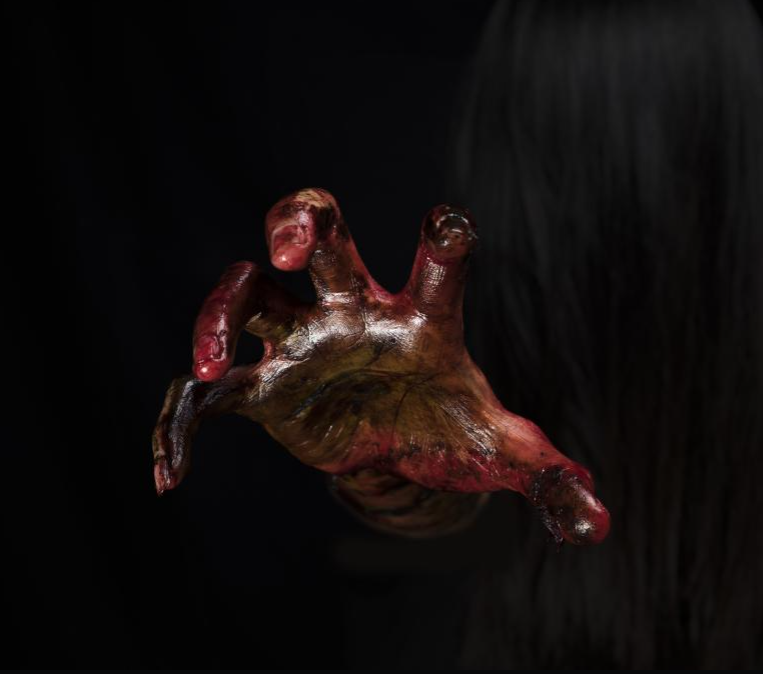
The Dead Don’t Sleep is a thrilling action-based survival game set in a dark, dystopian near-future. Developed over a challenging week as part of the GameDevTv game jam by the team “Intergalactic Space Cats,” this game puts players in the boots of soldiers fighting to exterminate zombies in a devastated world. What sets it apart is its unique twist: when a human player falls to the zombies, they don’t just respawn – they join the undead ranks, adding a layer of escalating horror and strategic depth. This project was a significant learning experience, particularly in the value of international collaboration and effective communication within a distributed team.
What it Entailed: Crafting a Unique Survival Experience Across Borders
The project aimed to create a compelling action-shooter experience with a significant narrative hook, all within a tight one-week timeframe. The goal was to immerse players in a desperate struggle for survival against overwhelming odds, where even death has consequences beyond a simple game over. The core challenge was to implement tight controls, satisfying combat, and the unique resurrection mechanic that fundamentally alters gameplay dynamics, all while navigating the complexities of an international, remote team.
Process & Methodology
This project was a intensive one-week experience during the GameDevTv game jam, focusing on rapid development and cross-cultural collaboration:
Game Jam Context:
Developed over 1 week during the GameDevTv game jam.
Team Structure:
A 3-person international team:
* Backend Development (2 members, including myself): Focused on game logic, player controls, physics interactions, the unique resurrection mechanic, ammo spawning, and game state management.
* Art & Aesthetics (1 member, based in the US): Responsible for character models (human soldiers and zombies), environment assets, and visual effects to establish the dark atmosphere.
* Audio (1 member, based in the US): Handled music composition and sound effects to heighten the tension and immersion.
* My Role (Backend Development):
* Focused on implementing the core player movement (WASD) and combat (mouse-based shooting/attacking).
* Programmed the critical resurrection mechanic where defeated humans join the zombie team.
* Worked on the ammo spawning system and managed game states (e.g., player death, returning to menu).
* Collaborated closely with team members in different time zones to ensure feature integration.
Development Process:
* Rapid Prototyping: Prioritized core mechanics and the unique twist within the one-week deadline.
* International Teamwork & Communication: Directly managed the challenges and benefits of working with team members located in different countries (US). This emphasized the need for clear, consistent, and asynchronous communication strategies (e.g., shared docs, regular check-ins) to overcome time zone differences and ensure everyone was aligned on project goals.
* Known Issues & Learning: Acknowledged and learned from several technical hurdles encountered:
* Zombie Attack Bug: Zombies were sometimes unable to attack after player transformation.
* Ammo Spawning Issues: Problems arose with the reliable spawning of ammunition.
* UI/State Management Bugs: Players were unable to return to the main menu after death, and exiting/restarting the game led to missing assets, requiring a full executable restart.
Learnings:
* Value of International Collaboration: Discovered the immense benefit of diverse perspectives and skill sets from team members across different geographical locations.
* Communication is Key: Understood the critical importance of robust communication strategies for successful remote and international teamwork.
Importance of Iterative Testing:
Realized that addressing bugs and testing mechanics earlier in the development cycle is crucial, especially when working with complex interconnected systems like player states and enemy AI.
Key Features / Results
* Atmospheric Dystopian Setting: A bleak and devastated world setting to enhance the survival horror experience.
* Action-Packed Combat: Responsive WASD movement and mouse-based shooting/attacking.
* Unique \”Join the Horde\” Mechanic: Player death results in joining the enemy team, creating dynamic and unpredictable gameplay.
* International Team Collaboration: Successfully worked with team members across different countries, enhancing communication and problem-solving skills.
* Game Jam Project: Delivered a prototype within a one-week timeframe as part of the GameDevTv game jam.
* Valuable Lessons Learned: Gained critical insights into managing scope, effective remote communication, and the necessity of early and continuous testing.
Conclusion/Next steps
The Dead Don’t Sleep was an incredibly insightful project that pushed the boundaries of what could be achieved in a week, especially within an international remote team. While facing and acknowledging known bugs, the primary takeaway was the profound value of global collaboration and effective communication in overcoming technical and logistical hurdles. This experience not only honed my technical skills in game development but also provided crucial lessons in working across cultures and time zones, underscoring its importance for future projects. The core mechanic and the lessons learned make this a significant entry in my development journey.


